
Foundations Look to New Leaders to Tell their Story in a Time of Skepticism
Originally published by The Chronicle of Philanthropy on August 6, 2026
This year a number of large foundations have undergone leadership changes. Philanthropy veteran Fay Twersky announced her departure from the Arthur M. Blank Family Foundation in May. Earlier in the year, Heather Gerken replaced Darren Walker, who led the Ford Foundation for a dozen years. Three leaders who served in their positions for more than a decade, Drew Altman at KFF, Jane Brown at the Robert W. Deutsch Foundation, and Mike Pratt at the Scherman Foundation, announced their retirements.
Those are just a few examples of turnover at the top spot; the Rockefeller Brothers Fund, Charles H. Revson Foundation, Pew Charitable Trusts, and Alfred P. Sloan Foundation each named new leaders this year.
Many of the new leaders are arriving with important experience in nonprofits and philanthropy.
That background might serve them well in their new positions, said Patton McDowell, senior director of leadership initiatives at Armstrong McGuire, a nonprofit consultancy. Philanthropy is coming under increasing public scrutiny from populist movements and the Trump administration while debates heat up over who should determine how to best use philanthropic resources, he said.
In recent years, as more foundations have endorsed a “trust-based” approach to grant making that attempts to reduce the burden on grantees, many foundation CEOs are moving out of the “back office” to take a more public position helping the nonprofits they support in the face of public skepticism.
“They may still have to manage the mechanics and the finances of effective grant making, but because it’s a more collaborative process, the best foundation leaders now have some lived experience and are comfortable collaborating and communicating with their external constituencies,” McDowell said.
A new study designed to prepare future foundation leaders, produced by C3 Nonprofit Consulting Group, echoes that sentiment. “In this next era, the foundation CEO is not only a steward of institutional assets but an architect of alignment, legitimacy, and long-term societal impact,” according to the report.
New Leaders Searching for Opportunities
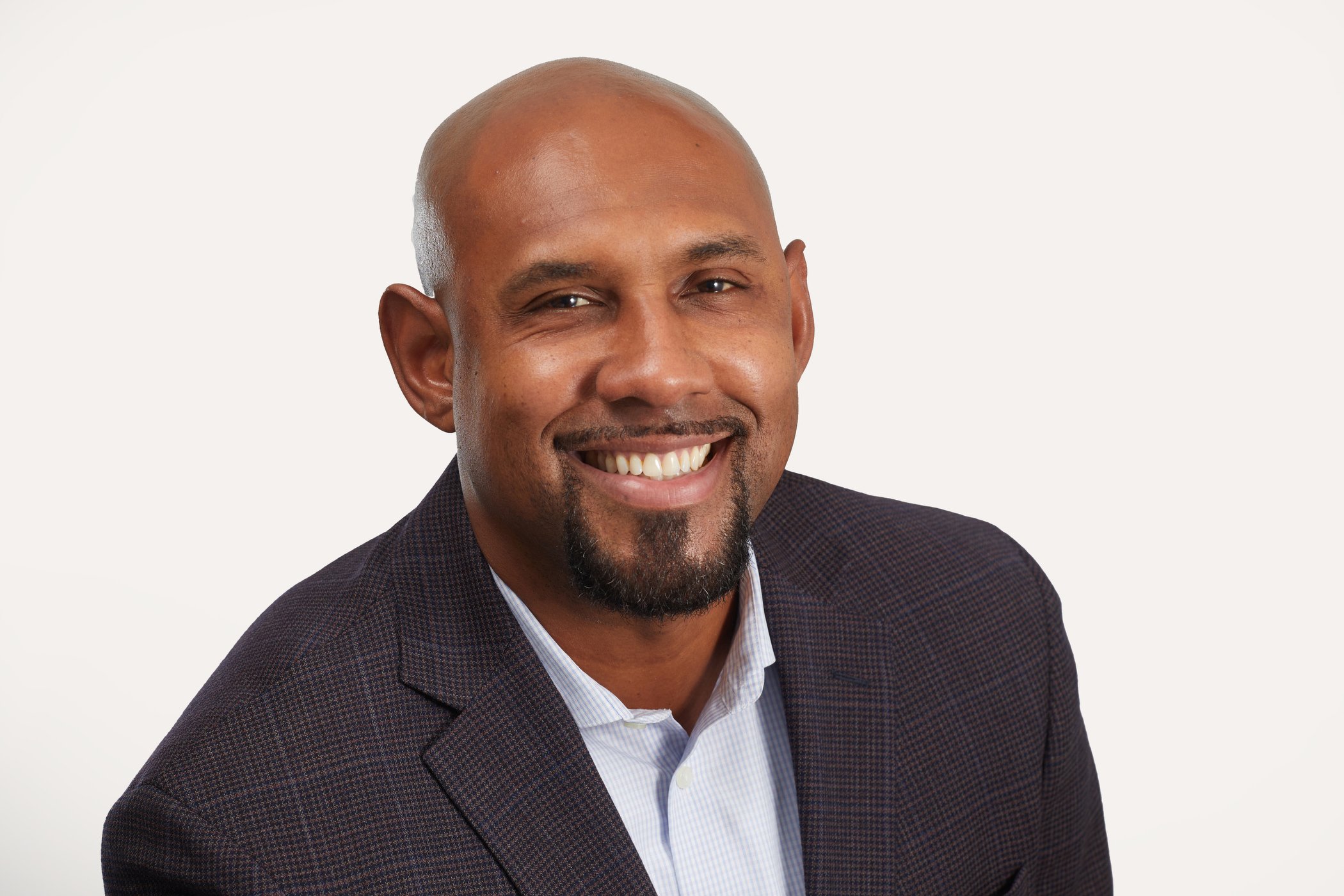
Like many of the leaders in the new slate of CEOs, George Suttles has a deep background in nonprofits and philanthropy. He is wrapping up his last few weeks as president of the Commonfund Institute before stepping in as CEO of the Scherman Foundation. Previously he served in leadership positions at the John A. Hartford Foundation, the New York State Health Foundation, and the National Urban League.
While the priorities of progressive foundations, including reproductive rights, racial equity, and climate change, come under attack, and the federal government cuts support for nonprofits, Suttles said a big part of his job will be searching for opportunities, especially where there are pockets of support. He cited the possibility of working on programs with New York Mayor Zohran Mamdani as an example.
“The partnership piece is going to be key,” he said
Like many new leaders, Suttles said he is likely to spend the first months of his job listening to staff and grantees. But in some ways, he said, he will “go straight to brass tacks” and begin discussions with the board on the first day about the possibility of increasing the grant maker’s payout.
Scherman is nearing the end of a two-year commitment to doubling its payout to 10 percent. The foundation is considering extending that level of payout and will investigate the impact increased spending would have on its investment portfolio and its grantee
While such a decision likely won’t happen immediately, Suttles said, it is important to consider how philanthropy shows up to “meet the moment.”
Suttles said his work is guided by a philosophical question: “What more can philanthropy do?”